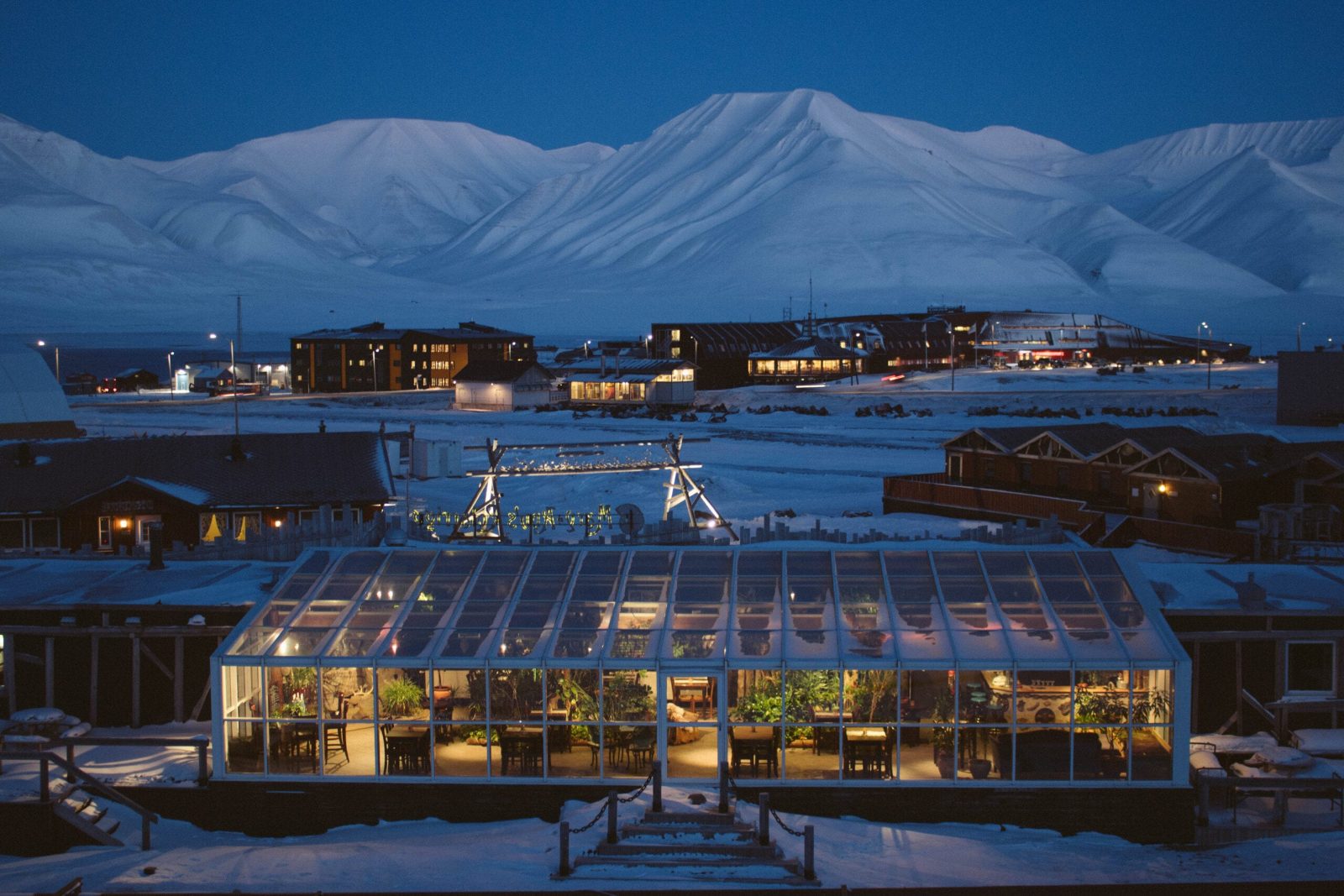
3 hr
Gruve 3 Historic Coal Mine Experience
- Entry ticket
- Mobile voucher
- Valid same day
- Free cancellation
Svalbard Coal Mine Tour — Guided Entry Into Gruve 3
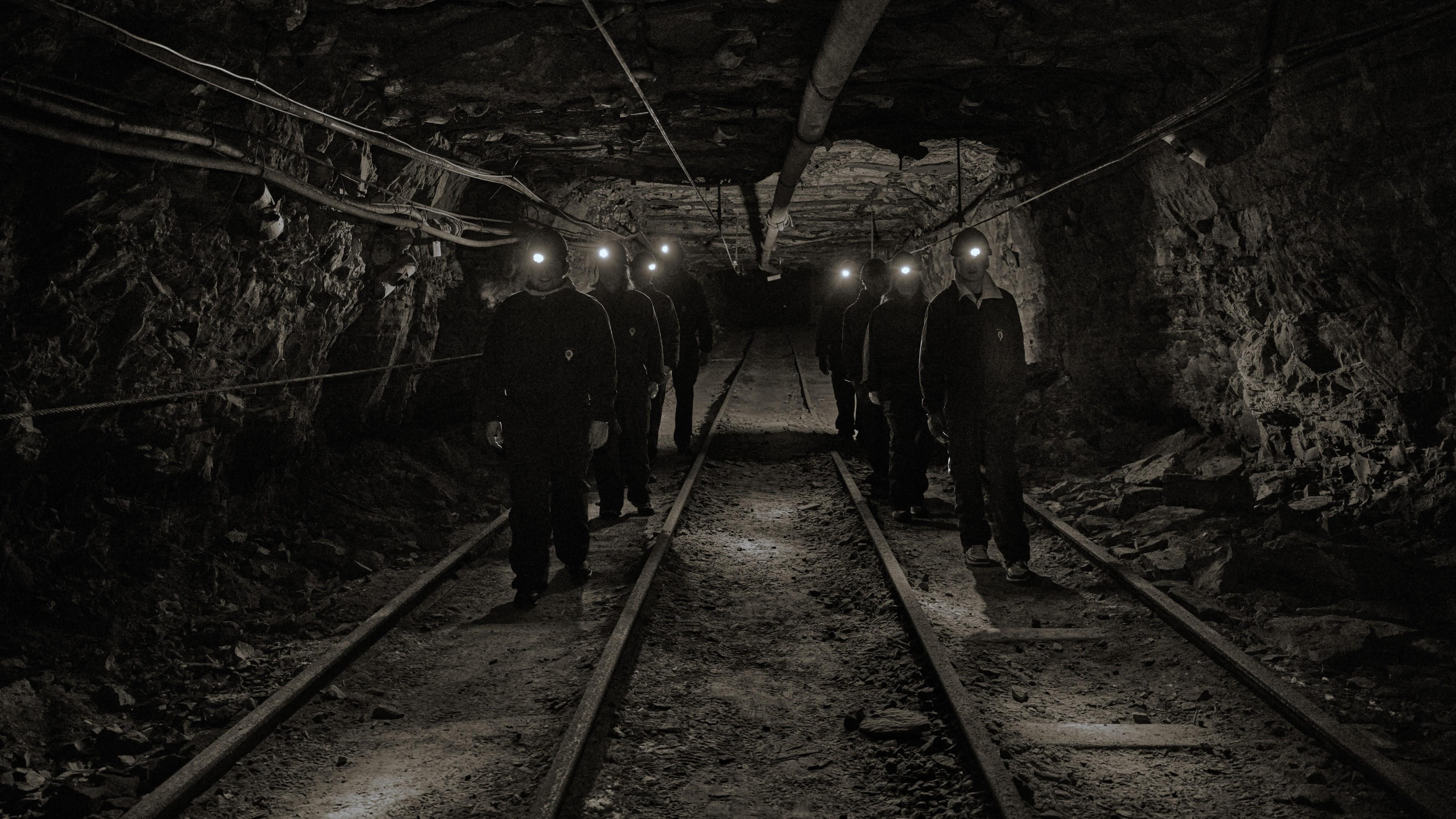
Headlamps on at the portal, permafrost silence three hundred metres in.
Compare fares, pick the fit — all bookings are mobile-voucher and eligible for free cancellation where shown.
3 hr
2 hr
2 hr
| Experience | Duration | Rating | Transfers | Pickup | Guide | Free cancel. | Price | |
|---|---|---|---|---|---|---|---|---|
|
Standard Entry
Most popular
Gruve 3 Historic Coal Mine Experience
|
3 hr | ★ 4.8 | — | ✓ | — | ✓ | €127 | Book → |
|
Standard Entry
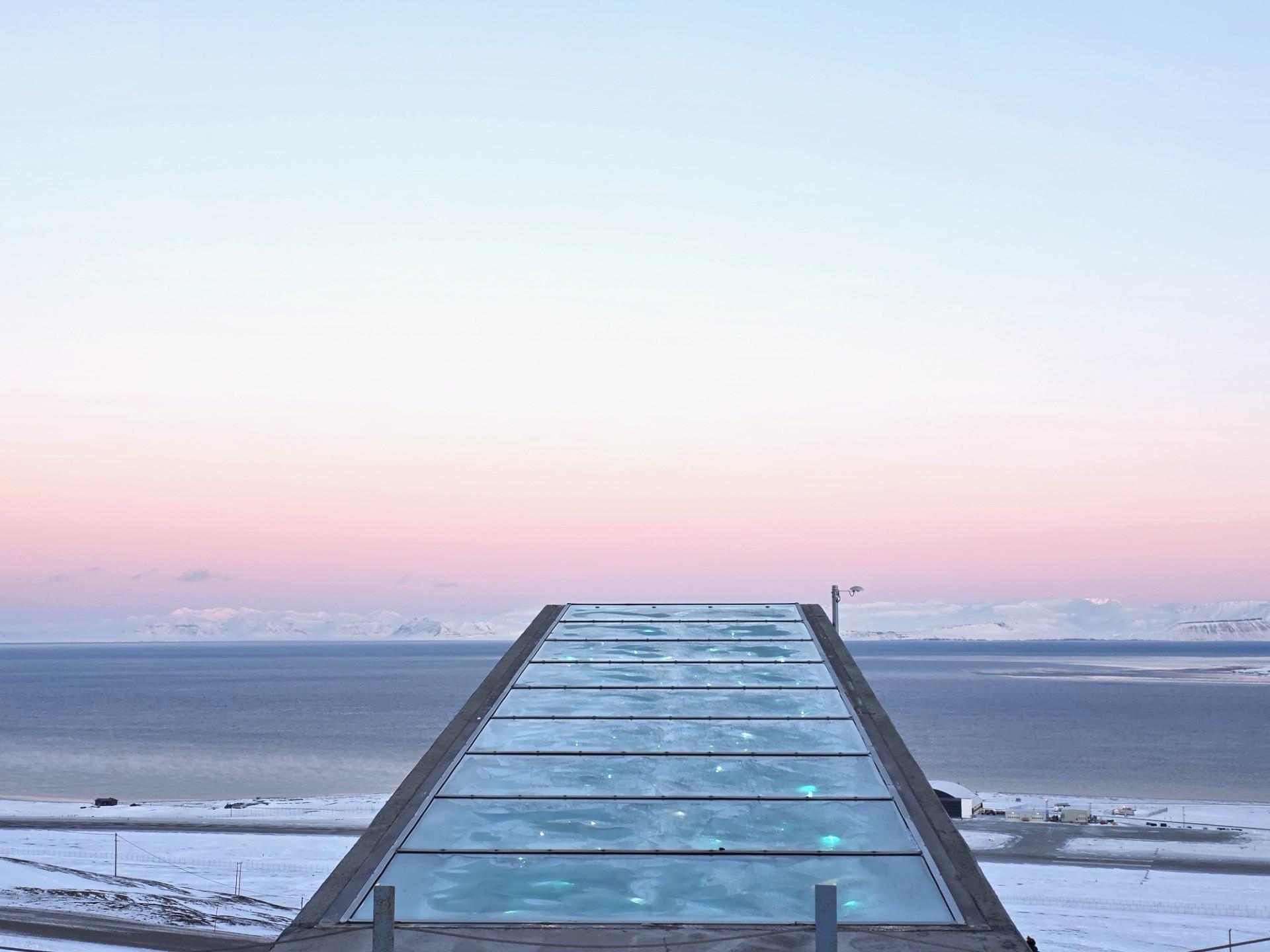
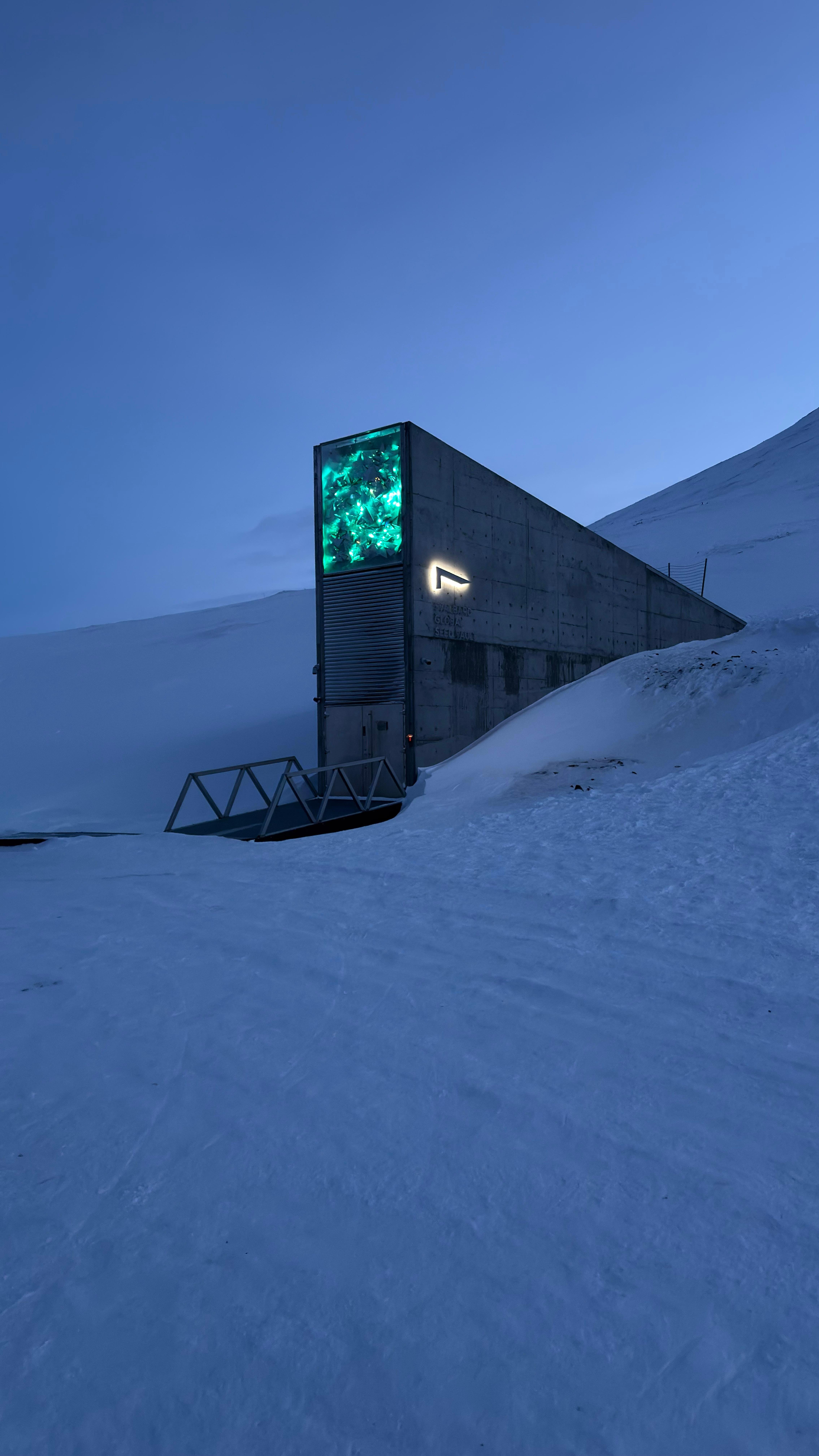
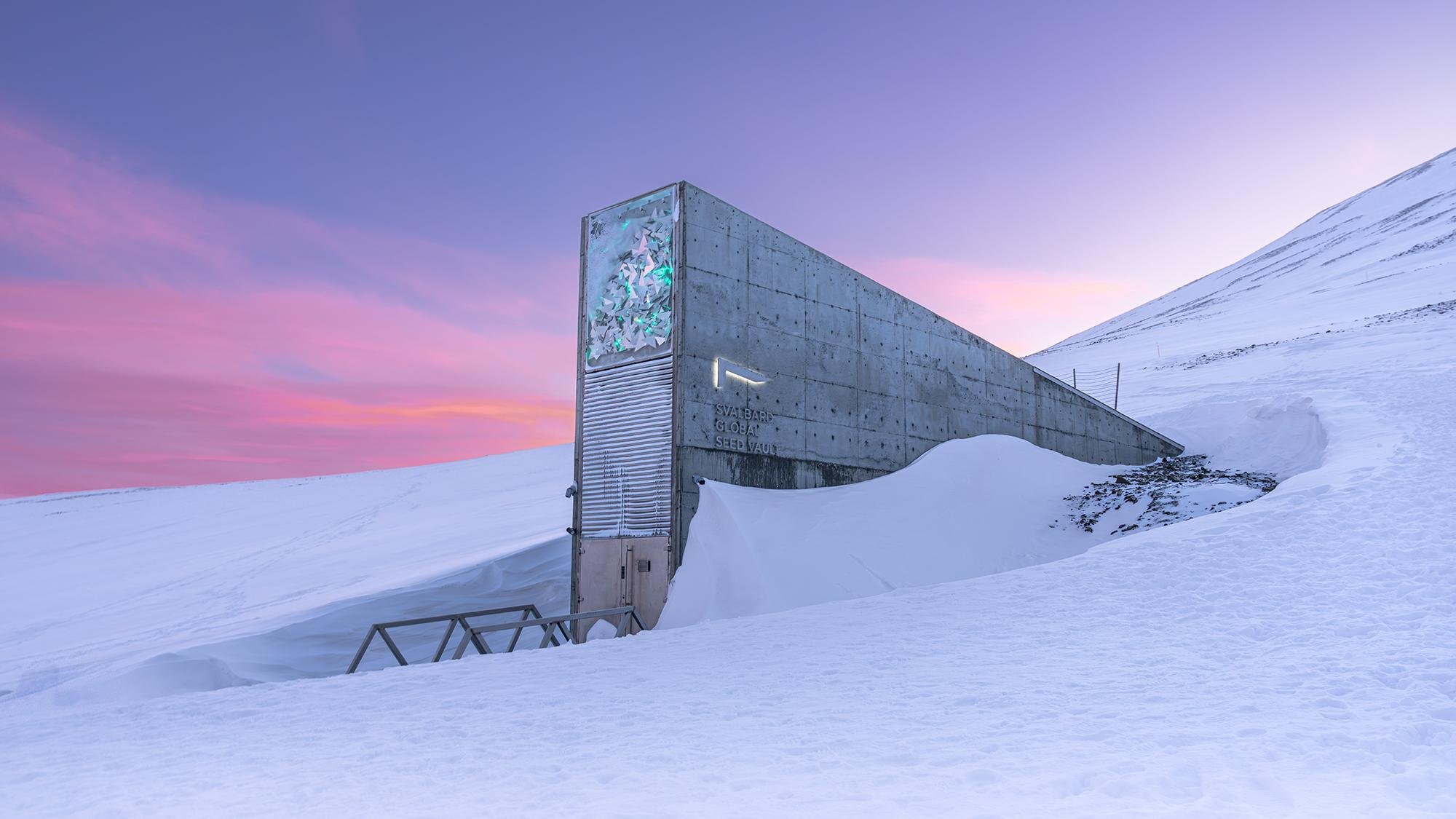
Global Seed Vault and Longyearbyen Landmarks Tour
|
2 hr | ★ 4.8 | — | ✓ | ✓ | ✓ | €182 | Book → |
|
Standard Entry
Longyearbyen & Global Seed Vault Guided Car Tour
|
2 hr | ★ 4.5 | ✓ | — | ✓ | ✓ | €111 | Book → |
Worth it for history travellers, skippable for wildlife-only trips
At 1,090 NOK, a svalbard coal mine tour is not an impulse buy, so the fair question is what the money actually covers. It buys transport out to Gruve 3, full kit rental — coveralls, boots, helmet, headlamp — and a guide who in most cases spent years underground with Store Norske. Strip those out and you are paying roughly the price of a mid-range Longyearbyen dinner for time inside a real coal seam locked in permafrost. That access is the product. Gruve 3 is preserved rather than rebuilt: pit props, conveyor lines, tools and cigarette packets left where the last shift dropped them. Guided svalbard coal mine tour tours pay off for anyone drawn to industrial heritage, Arctic settlement history, or the question of why a town exists at 78° north. They pay off less for travellers here purely for glaciers and wildlife, or who dislike tight dark spaces — the Gruve 3 omvisning is narrow, cold and physical.
Bottom line: For anyone curious about how Longyearbyen came to exist, the guided mine tour at Gruve 3 earns its price; pure wildlife travellers can spend the money elsewhere.
Hand-picked experiences loved by thousands of travelers
3 hours
Free Cancellation
Explore the world's northernmost town with a local guide, visiting iconic Arctic landmarks and stunning valleys
2.5 hours
Free Cancellation
Discover the world's northernmost town through local eyes on this intimate Arctic community walk
2.5 hours
Free Cancellation
Search for walruses, reindeer, and Arctic foxes, then take an icy plunge in Svalbard's frozen waters
3.5 hours
Free Cancellation
Explore Svalbard's serene wilderness on a guided walk through remote tundra with wildlife viewing
9 hours
Free Cancellation
Journey by RIB boat to an abandoned Soviet settlement, witness a colossal glacier, and search for Arctic wildlife
6.5 hours
Free Cancellation
Six-hour icebreaker voyage through Isfjorden with optional polar water floating in protective suits
4 hours
Free Cancellation
Trek through Arctic tundra to explore abandoned coal settlement ruins with historian guide
8 hours
Free Cancellation
Exclusive 8-hour charter exploring remote fjords, colossal ice formations, and polar wildlife
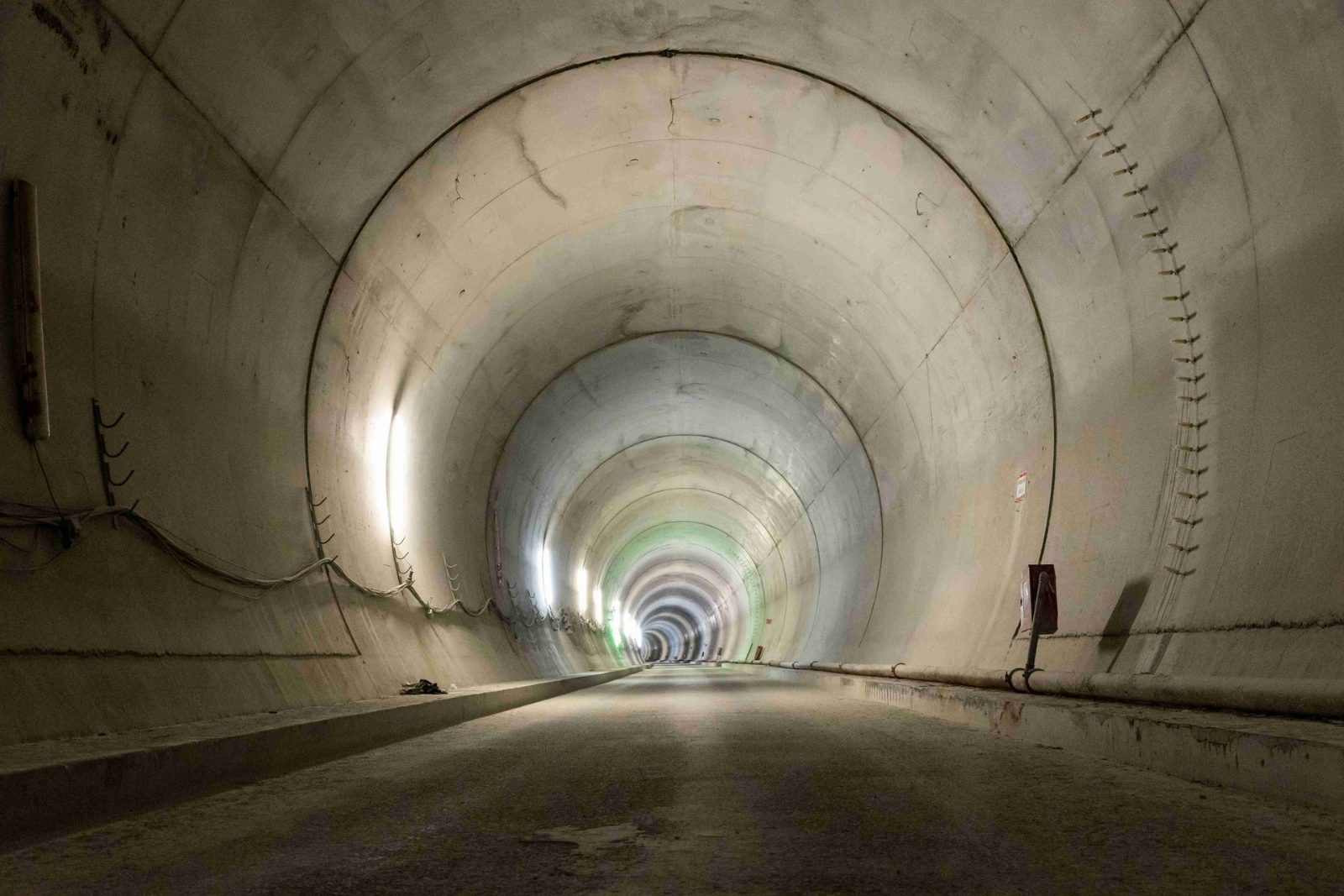
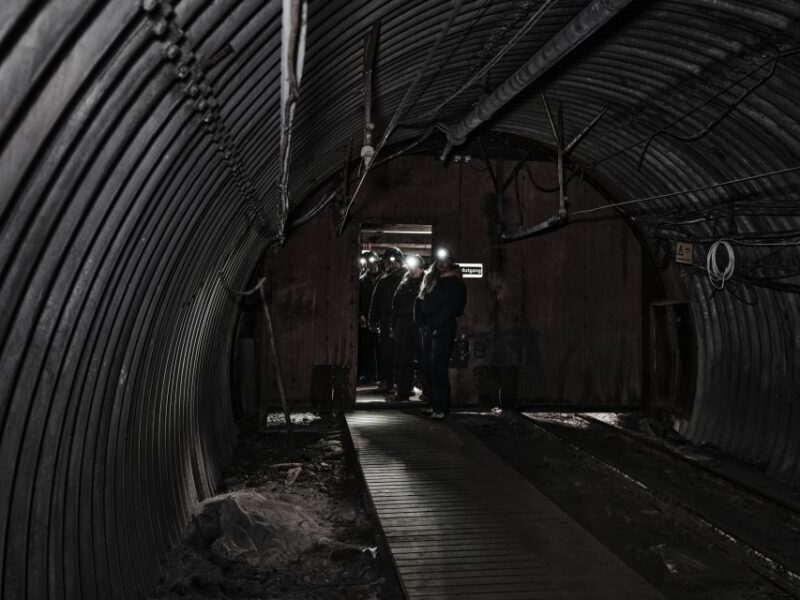
Walk through the primary extraction route used by miners for decades. This path reveals the original infrastructure of the svalbard coal mine tour.
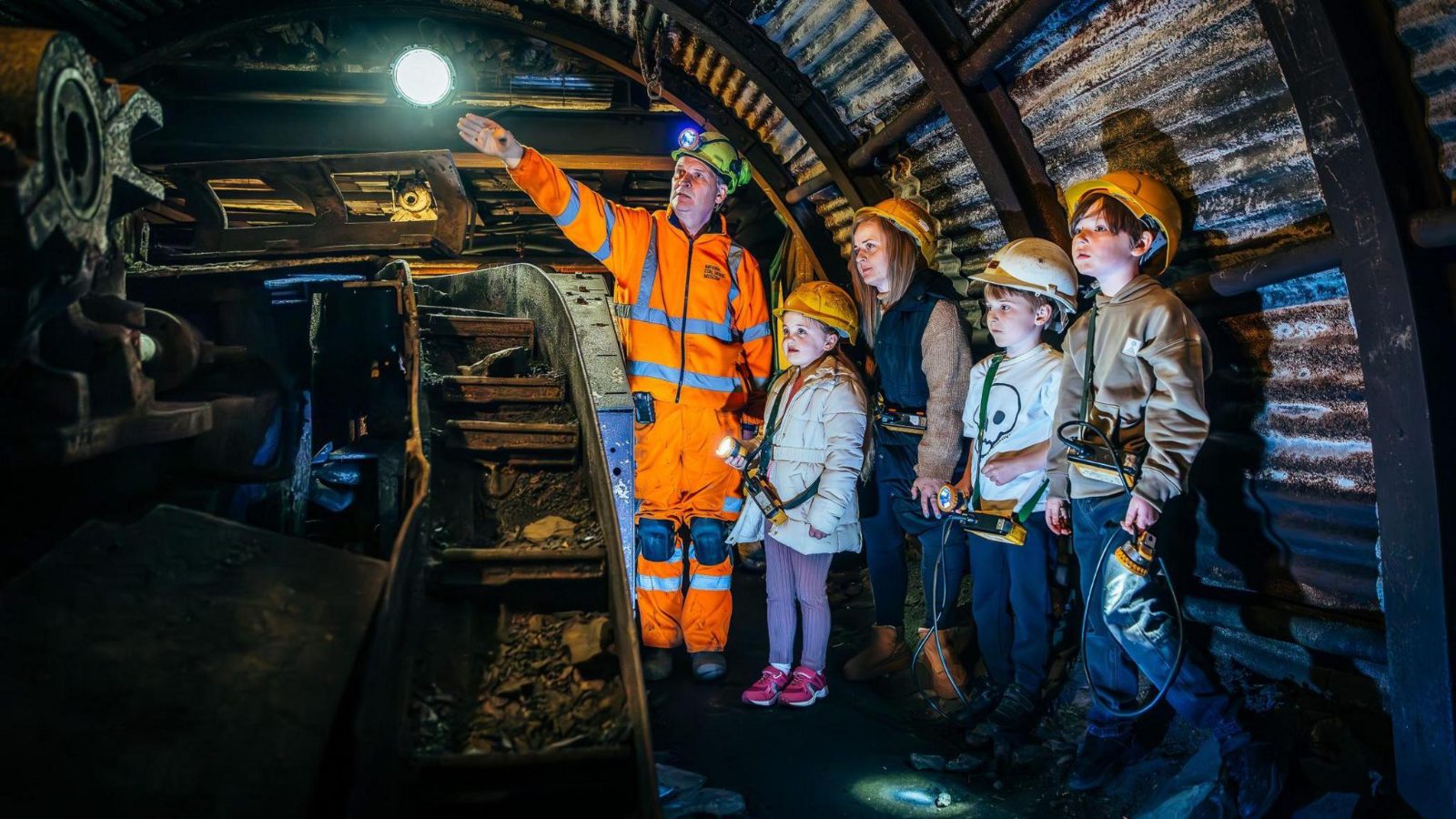
Observe the authentic gear, lamps, and tools left behind by miners. This area highlights the harsh reality of historical extraction during the svalbard coal mine tour.
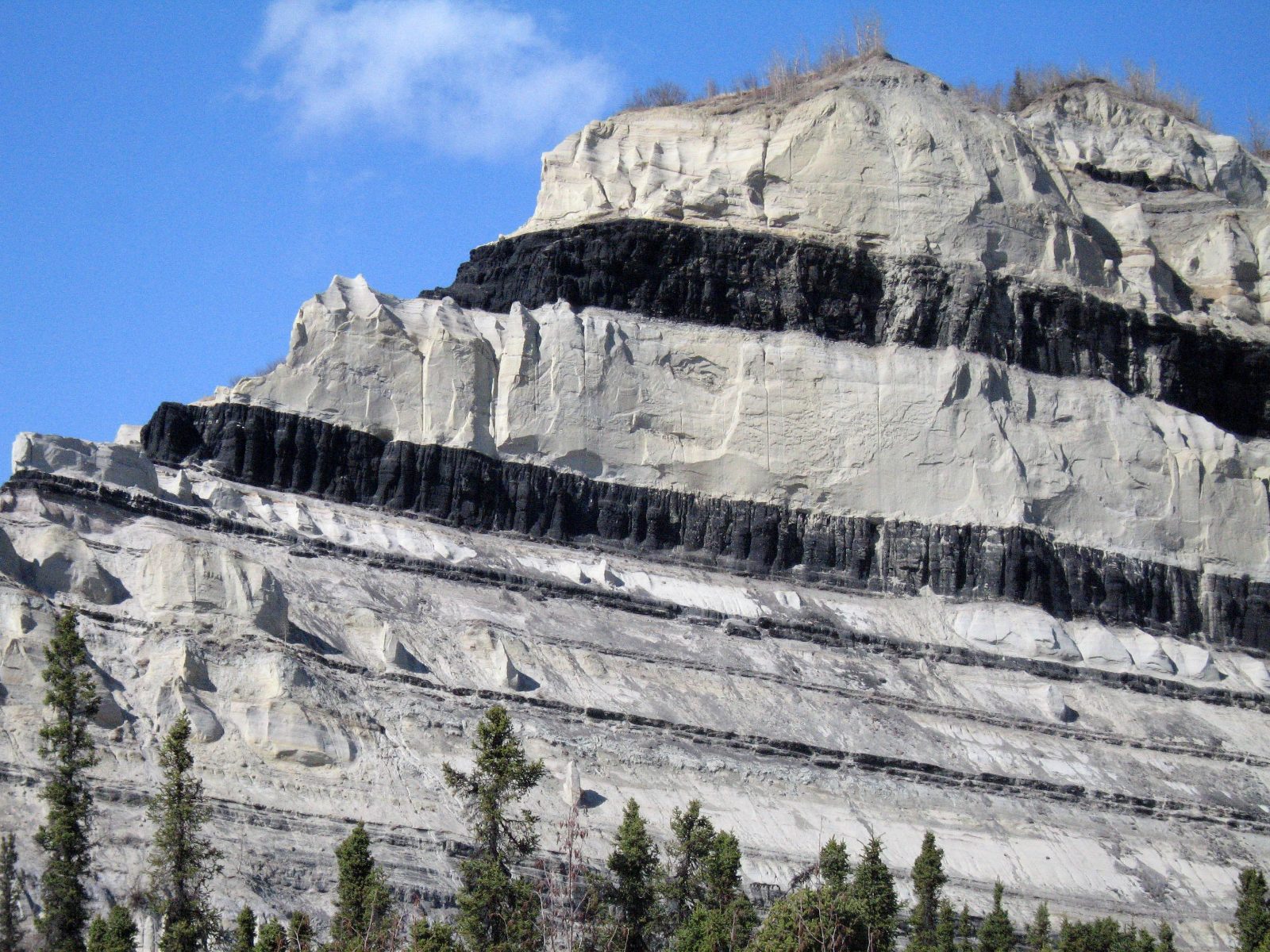
View exposed coal seams embedded directly into the rock face. These formations demonstrate the industrial resource that defined the local economy during the svalbard coal mine tour.
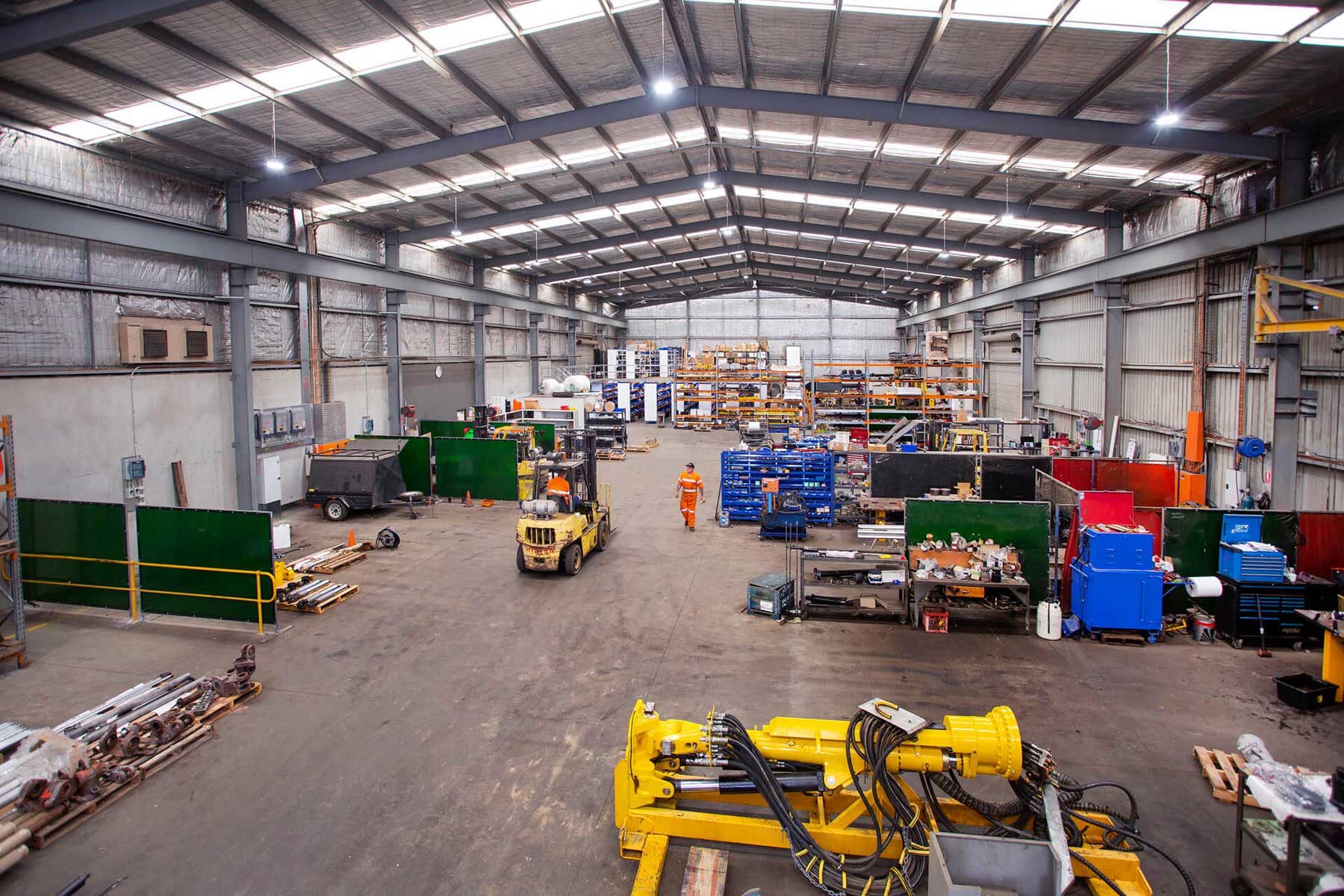
Step into the former mechanical hub where machinery was repaired. This highlights the self-sufficiency required during the svalbard coal mine tour.
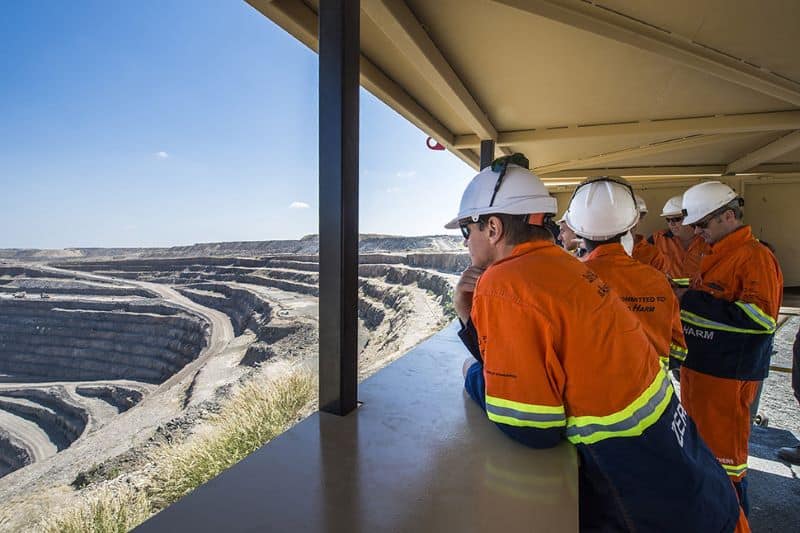
Look out from the mine entrance across the valley toward the mountains. It provides a striking perspective of the landscape during your svalbard coal mine tour.
All the details about your upcoming adventure in one place
A svalbard coal mine tour takes you into Gruve 3, the preserved shaft outside Longyearbyen where miners crawled through seams barely a metre high until operations ceased in 1996. Guides hand out overalls, helmets and headlamps at the mine gate, then lead you past the drill rigs, conveyor lines and changing-room hooks left exactly as the last shift dropped them. Kullgruvetur i Longyearbyen is run by former mining staff, and svalbard coal mine tour tickets sell out fastest in the polar-night months.
Miners at Gruve 3 worked a coal seam barely 70 centimetres thick, lying on their sides for most of a shift. A svalbard coal mine tour follows that same low route beneath Platåberget, entering through the timber-framed portal that Store Norske Spitsbergen Kulkompani opened in 1969 and sealed in 1996.
Nothing was demolished afterwards; the adit was simply preserved, rails, drills and all.
Coal explains the town. Longyearbyen exists because John Munro Longyear's Arctic Coal Company began shipping Spitsbergen coal in 1906, and every road, quay and power plant in the settlement traces back to that trade. Guided svalbard coal mine tour tours now run from the original changing house, where numbered baskets still hang from ceiling chains above the washroom. The mine museum function is deliberate: with extraction in Norwegian Svalbard effectively finished, the underground workings have become the archive.
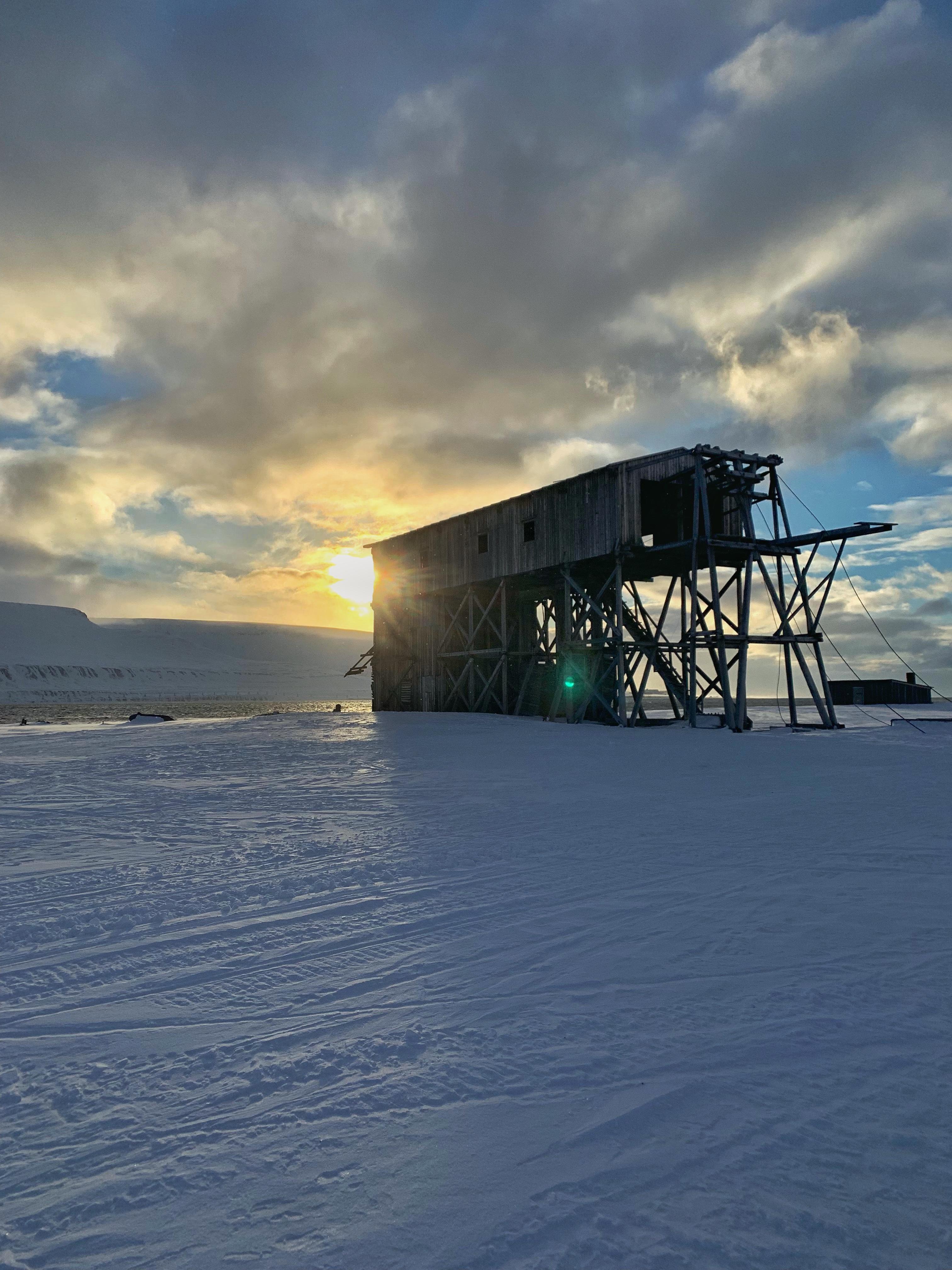
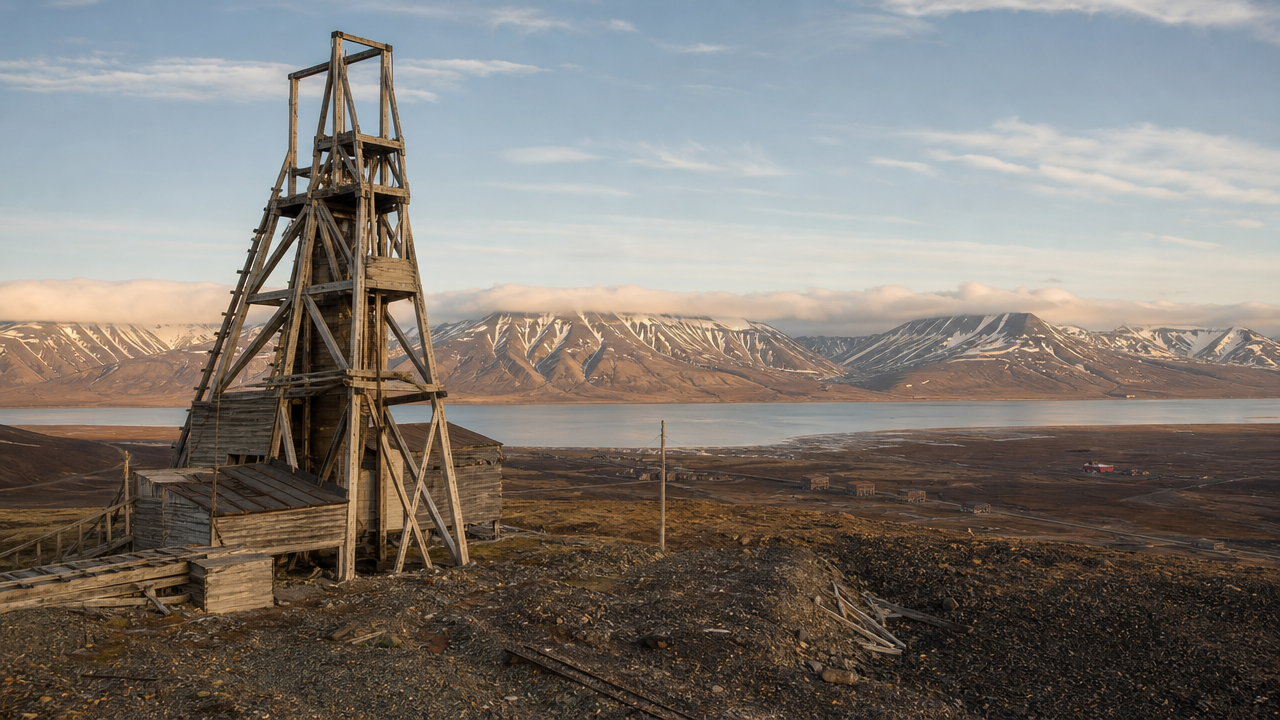
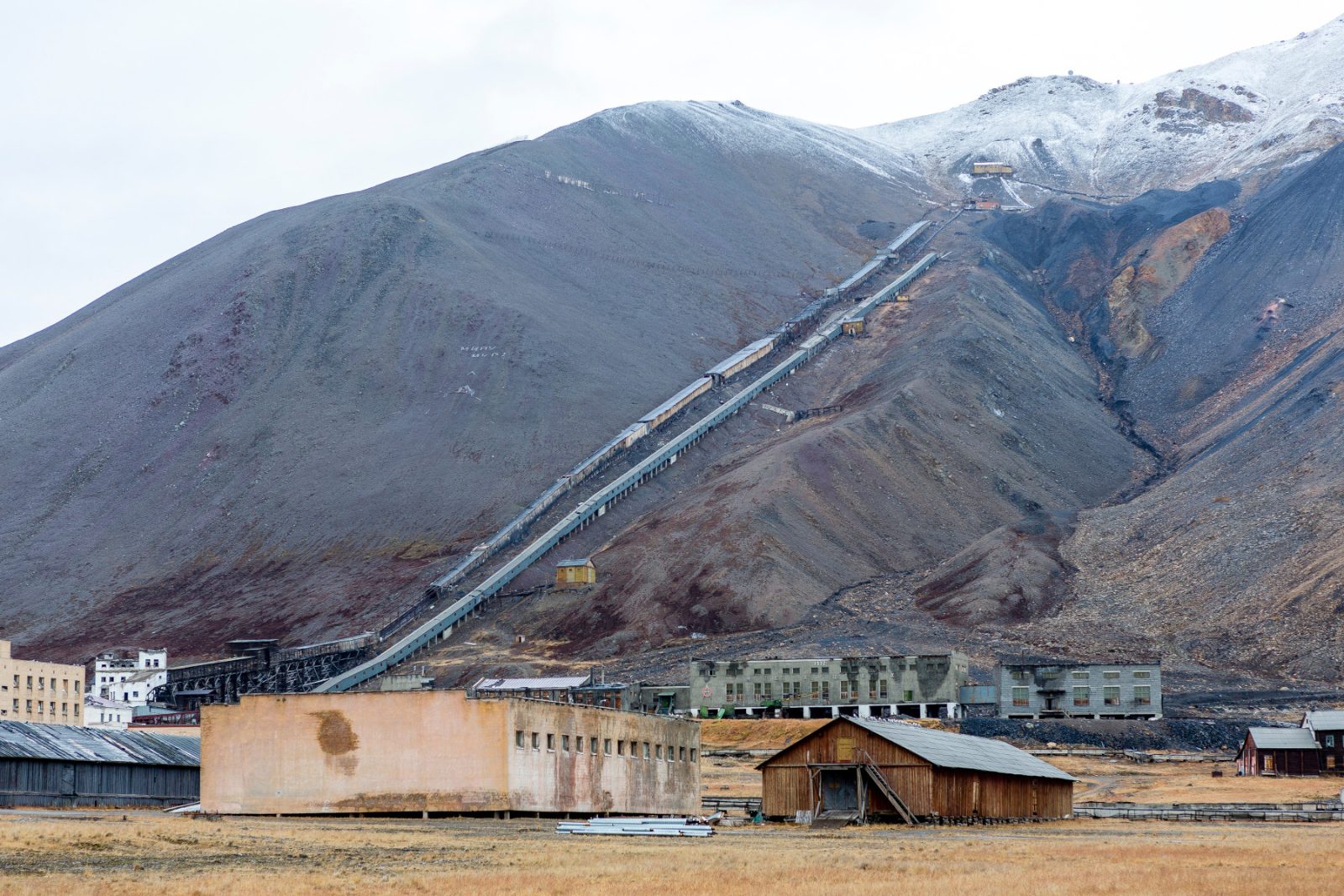
The architecture above ground is as instructive as the seam below. Shaft houses stand on piles driven into permafrost, lifted clear of the active layer that thaws each summer. Aerial ropeway trestles march across Adventdalen towards the old sorting plant, a black timber skeleton visible from the airport road. Inside, conveyor belts, ventilation ducting and roof bolts remain in position; svalbard coal mine tour tickets admit visitors to a working environment rather than a display case, and the guides are frequently former miners or their descendants.
Geography narrows the options. Travellers who type coal mine tours near me into a phone in Longyearbyen are shown a single credible result, since Gruve 3 sits at 9170 Longyearbyen on the road between town and Svalbard Airport, west of the town centre. A svalbard coal mine visit therefore doubles as a lesson in Arctic industrial logic: thin seams, high freight costs, subsidised settlement, and a company town built to keep 2,000 people fed at 78 degrees north. For all the polar-bear iconography attached to the archipelago, the svalbard coal mine tour remains the clearest account the islands give of themselves.
Nothing was demolished afterwards; the adit was simply preserved, rails, drills and all.
Cancellations must be made within the operator's specified window to qualify for a refund. The 1,090 NOK entrance fee covers transport and necessary gear.
Weather · crowds · average price — dots go green to amber to red as each metric rises.
Experience the midnight sun while visiting this Arctic landmark. Temperatures are milder, making logistics for a svalbard coal mine tour easier.
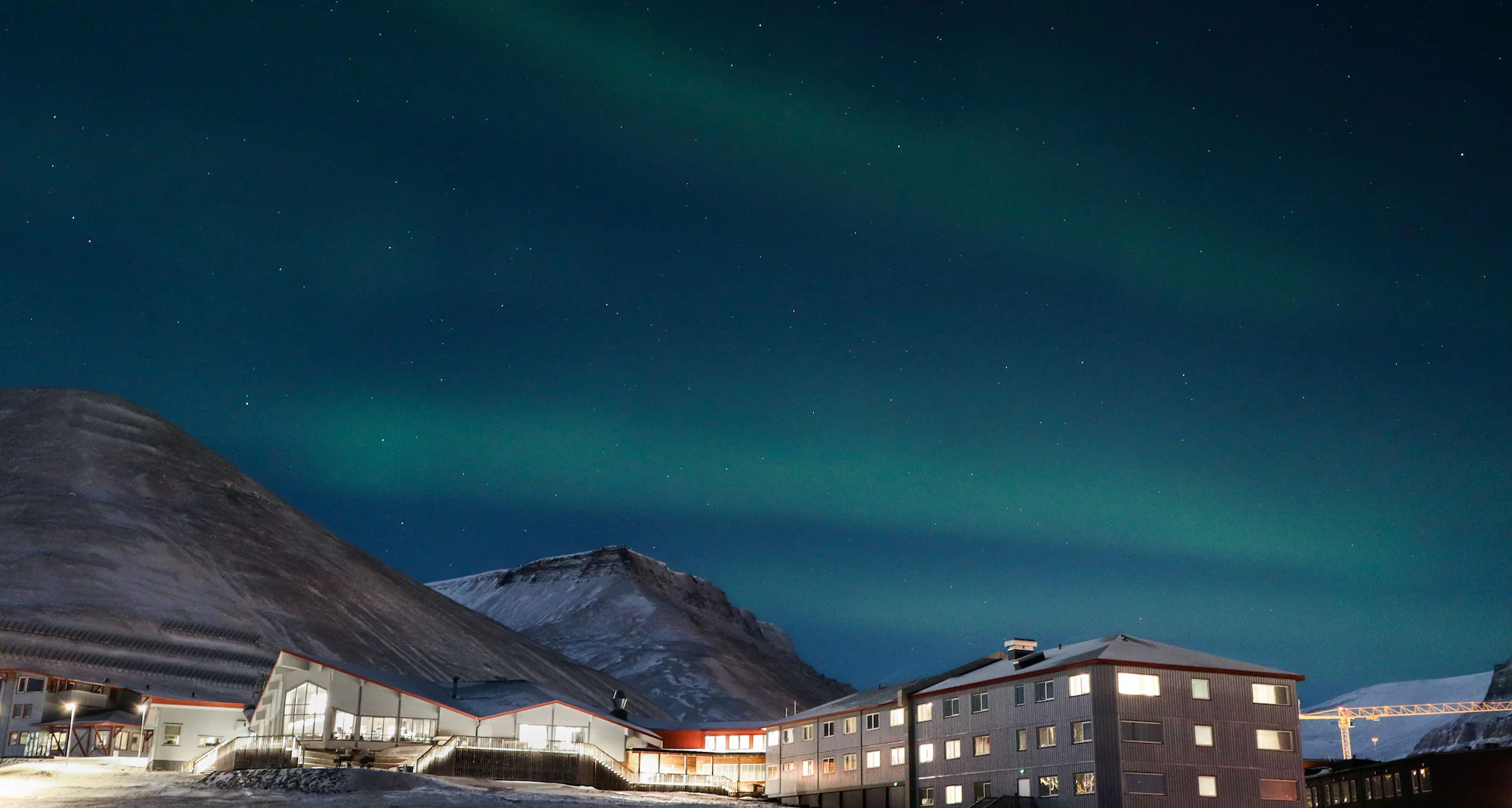
Observe the polar night and northern lights during your stay. Tours continue despite the darkness outside, offering a unique contrast for a svalbard coal mine tour.
Tours operate at 09:00 and 13:00, requiring advance booking for every svalbard coal mine tour.
The temperature remains consistent year-round, so wear wool base layers.
Stay on the marked path to ensure safety during the coal mine excursion.
Confirm if your tour operator handles hotel transfers before arrival.
Guides are local experts on the history of this significant svalbard coal mine tour site.
Coal shaped this fjord long before tourism did. In 1906 the American industrialist John Munro Longyear began commercial extraction above Adventfjorden, and the settlement took his name. Store Norske Spitsbergen Kulkompani purchased the American holdings in 1916. The Svalbard Treaty, signed on 9 February 1920 and in force from 14 August 1925, confirmed Norwegian sovereignty while granting every signatory equal industrial rights. A svalbard coal mine tour tour begins inside that inheritance, not outside it. War interrupted the field. On 8 September 1943 the German battleships Tirpitz and Scharnhorst shelled Longyearbyen, and the town was rebuilt from ruins. Gruve 3 came later still, starting production in 1971 on the flank of Platåberget, entered through a shallow adit rather than a shaft. The Longyear seam here is barely a metre thick, so men worked on their knees and sides, setting props as the face advanced. Conveyors carried the output down toward the loading point. The mine closed in 1996. Anyone holding svalbard coal mine tour tickets walks that same low gallery. Preservation was a decision rather than an accident. Norwegian law automatically protects physical traces older than 1946; Gruve 3 fell well short of that threshold. Its survival rested on Store Norske choosing to leave the workings intact instead of sealing them. Lamps, boots, timber and the numbered hooks of the changing room stayed where the final shift left them, stabilised by permafrost. Svalbard Museum in town holds the archive; the mine itself holds the atmosphere. From the mid-2010s the site reopened for guided svalbard coal mine tour tours, many of them led by men who once cut coal underground. The industry then closed around the museum. Longyearbyen's coal-fired power station burned its last load in 2023, and Gruve 7 in Adventdalen, the final Norwegian pit, wound down in 2025. What survives is interpretation: a preserved kullgruve standing among Longyearbyen's landmarks, evidence of the labour that built the town rather than a monument to it. The svalbard coal mine tour is now the clearest account of how Arctic extraction actually felt, told in the dark where it happened.
John Munro Longyear's Arctic Coal Company opens the first commercial pit above Adventfjorden and founds the settlement.
Store Norske Spitsbergen Kulkompani buys the American holdings and takes control of the coalfield.
The Svalbard Treaty enters into force on 14 August, placing the mines under Norwegian sovereignty.
German battleships shell Longyearbyen on 8 September, destroying mining installations and most of the town.
Gruve 3 begins production on the flank of Platåberget, working the thin Longyear seam.
The last shift leaves Gruve 3 and extraction ends after twenty-five years of operation.
The disused mine reopens for guided descents, with equipment and changing rooms left in place.
Gruve 7 in Adventdalen winds down, ending Norwegian coal extraction on the archipelago.
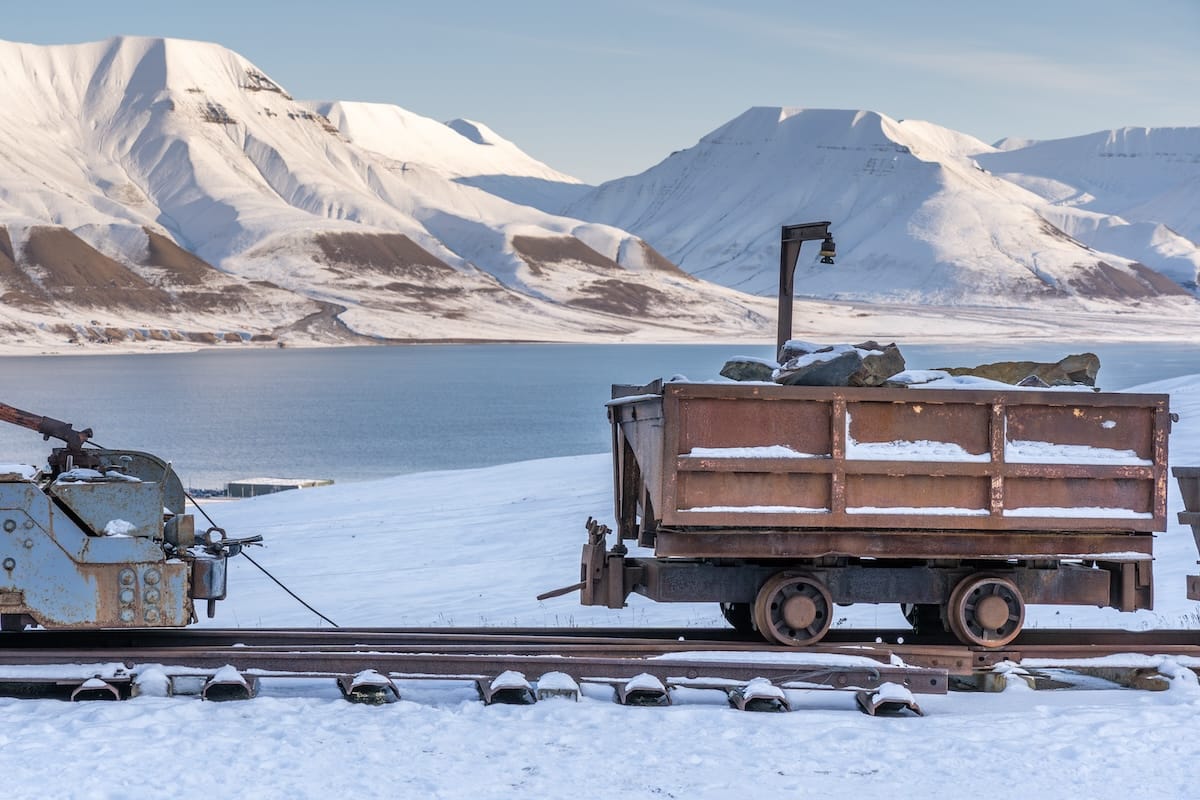
Stand at the metal threshold where the tracks emerge from the mountain to capture the stark contrast between the rusted industrial steel and the Arctic landscape. This angle frames the scale of the subterranean work site against the vast tundra.
Exploring a svalbard coal mine tour is an immersive educational journey that requires careful consideration of the physical environment. While the history of Longyearbyen is fascinating for families, the underground conditions are best suited for older children.
The mine visit is not suitable for children under the age of 12 due to the nature of the terrain and the physical demands of the tour.
Everything you need to know for your journey
Photography is generally allowed, but follow your guide's instructions. This is a common feature of the svalbard coal mine tour.
Wear warm, windproof clothing and sturdy footwear, as mine temperatures are low. This is essential for a comfortable svalbard coal mine tour.
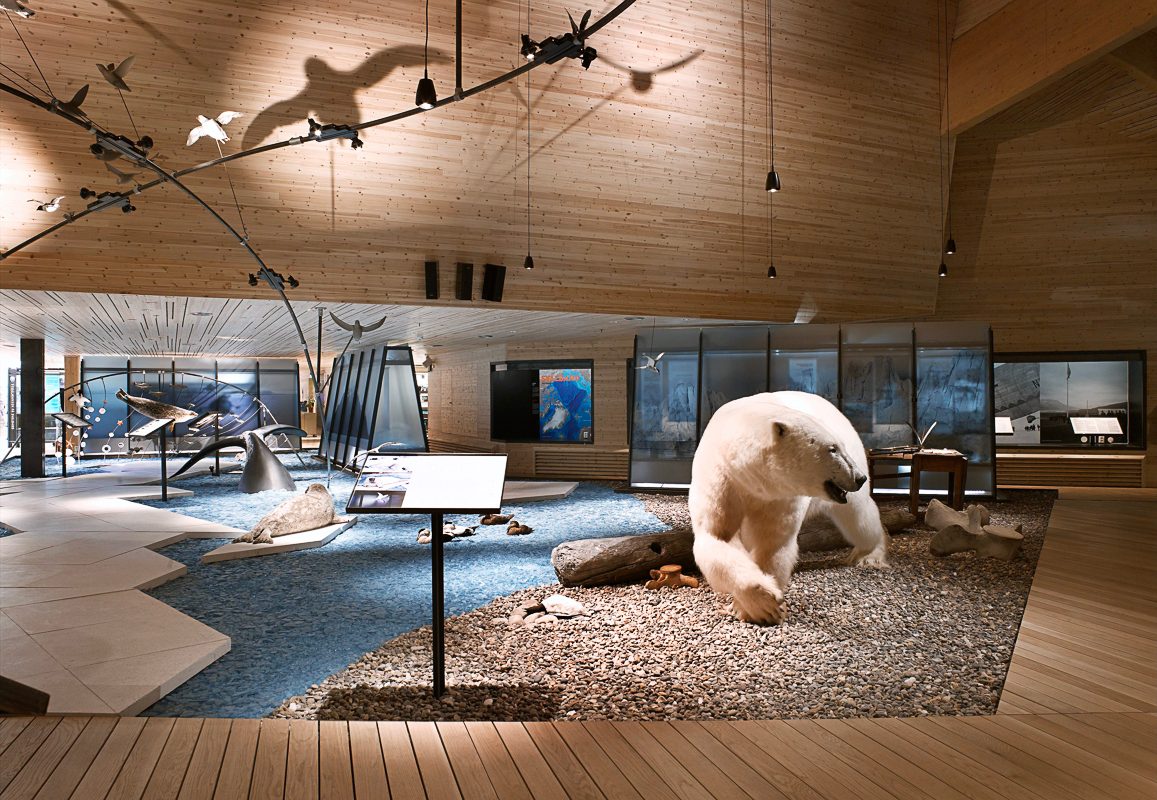
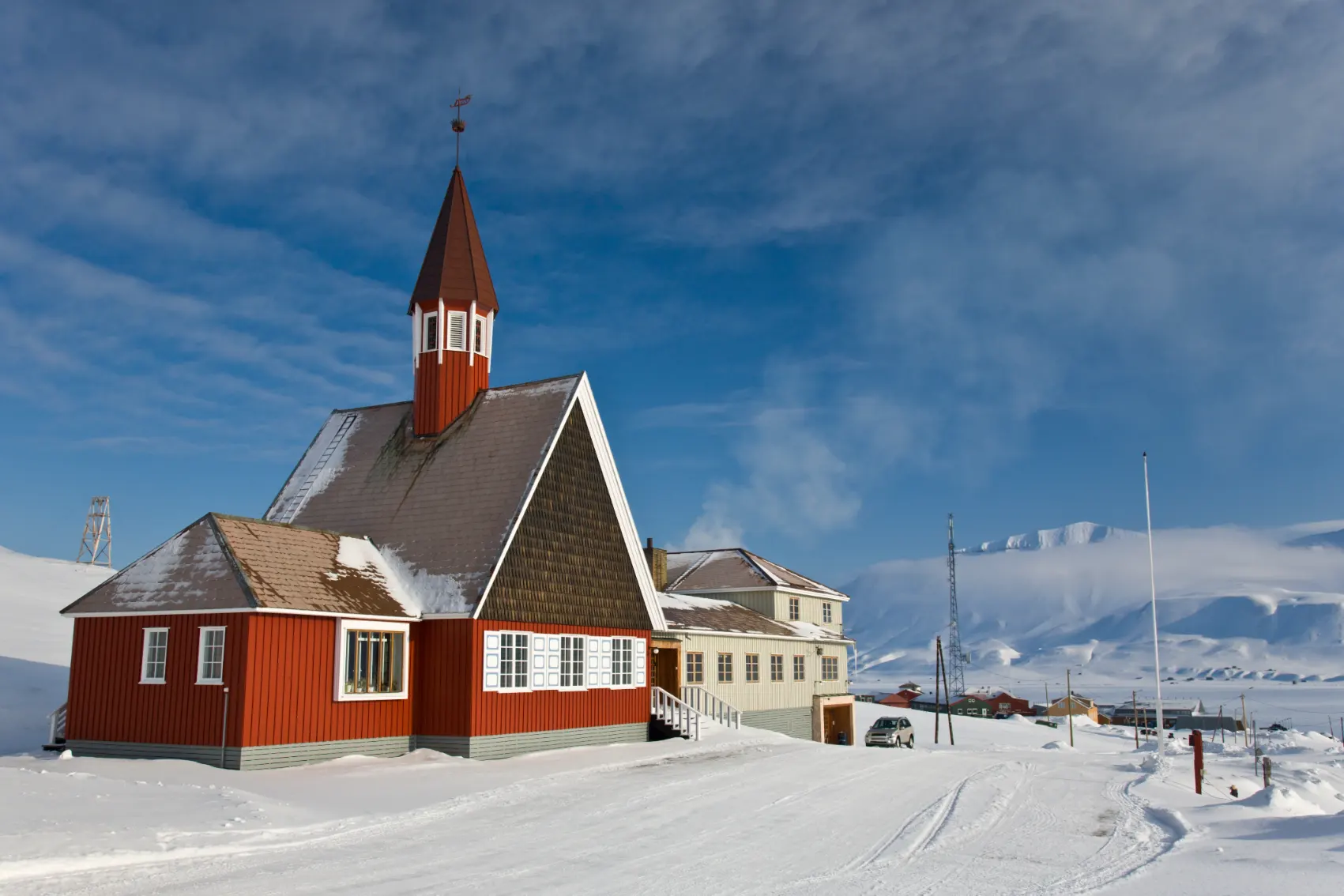
The Svalbard Museum and Svalbard Church are nearby. These offer additional historical context for your trip after the svalbard coal mine tour.
Displays on Arctic biology and human settlement history. A great way to contextualize your svalbard coal mine tour experience.
The northernmost church in the world. It serves as a peaceful community hub.
Features an observation deck and central access.
Historic atmosphere reflecting local mining heritage.
Join thousands of happy travelers who have discovered this incredible experience
Book Your Experience Now